Key takeaways
- Check the paperwork before you look at the paint. A PPSR search, a vehicle history report and a stolen-vehicle check take about 15 minutes and rule out the worst problems.
- Private sales don't come with Consumer Guarantees Act protection. Registered dealers do. That difference is worth paying for on an older car.
- Always get an independent pre-purchase inspection. It usually costs a few hundred dollars and can save you thousands.
- Budget for the true cost, not just the price: tyres, the next WOF, rego, road user charges on diesels, and any servicing that's due.
- Sort your old car first. A cash for cars sale gives you money on the day, which helps you negotiate with cash in hand.
Most cars we tow away weren't bad buys on the day they were bought. Problems were missed: rust under a fresh undercoat, a CVT gearbox that was already slipping, finance still owing, or an odometer that didn't match its WOF history. A little checking at the start would have caught most of them.
This guide is the checklist we'd use ourselves when buying a used car in Nelson or Tasman. It's free to print, share and link to. We're car buyers, not car sellers, so we have nothing to sell you here.
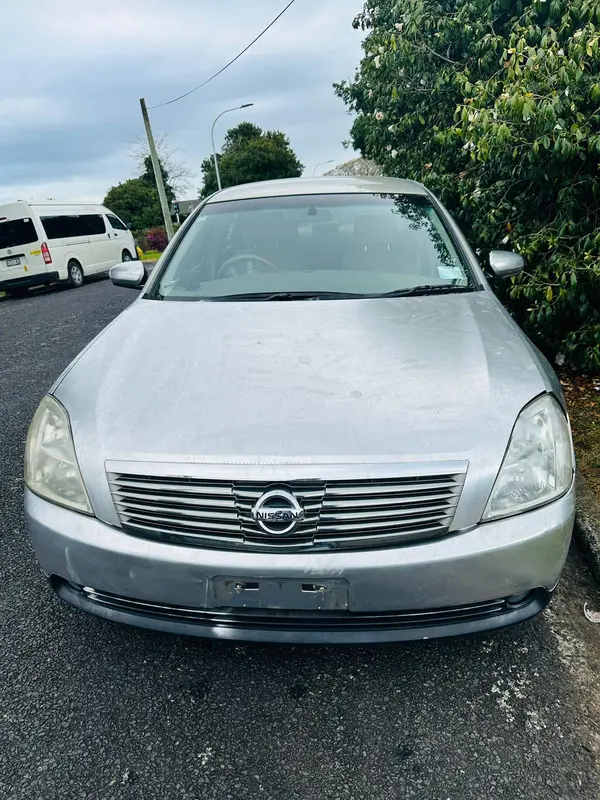
1. Dealer, private sale or auction?
Where you buy changes your legal protection more than most people realise.
| Where you buy | Your protection | Best for |
|---|---|---|
| Registered motor vehicle trader (dealer) | Consumer Guarantees Act applies. The car must be of acceptable quality and match its description. Dealers must display a Consumer Information Notice (CIN). Disputes can go to the Motor Vehicle Disputes Tribunal. | Buyers who want protection and less risk |
| Private sale (Trade Me, Marketplace, a "for sale" sign) | Consumer Guarantees Act doesn't apply. You're mostly relying on your own checks, and on the seller not misrepresenting the car. | Confident buyers who get an inspection |
| Auction | Depends on the auction and seller. Read the terms. Inspection time is often short. | Experienced buyers who know what they're bidding on |
Tip: Anyone selling more than six vehicles in 12 months must be a registered motor vehicle trader. If a "private seller" seems to have a lot of cars for sale, check the Motor Vehicle Traders Register. Unregistered traders sometimes pose as private sellers so they don't have to give you dealer protection.
2. The 15-minute paperwork check
Do this before you drive anywhere to look at the car. All you need is the number plate (and ideally the VIN).
- PPSR search. Search the Personal Property Securities Register to see whether money is owed on the car. If there's a security interest, the lender could have a claim on it even after you've paid. Our PPSR and finance guide explains how it works.
- Stolen vehicle check. NZ Police publishes a stolen vehicle search. It's free and takes seconds.
- Vehicle history report. A paid report (from a provider such as CarJam or similar) pulls registration, WOF and odometer history together. Look at whether the kilometres go up steadily at each WOF. A drop, or a long gap, needs an explanation.
- Write-off status. Check whether the car has ever been recorded as an insurance write-off or flagged as damaged. See our guide to NZ write-off categories.
- WOF and rego. Note the WOF expiry and the licence (rego) expiry. Vehicles first registered from 1 January 2000 generally need a WOF every 12 months, older vehicles every six months. A WOF that's about to expire, or a lapsed rego, is a cost you'll pay.
- Safety recalls. Ask whether any recalls, including the Takata airbag recall, are outstanding. You can check on the Product Safety recalls site or with a franchise dealer for that brand.
- Seller ID matches the owner. When you view the car, ask to see photo ID and make sure the name matches the registered owner. If it doesn't, ask why before going any further.
If anything in the paperwork doesn't add up, stop there. Paperwork problems are the hardest to fix after you've paid.
3. The walk-around inspection
View the car in daylight, when it's dry and the engine is cold. Ask the seller not to warm it up before you arrive.
Outside
- Panel gaps and paint. Uneven gaps, slightly different shades or paint overspray on rubber seals suggest accident repairs.
- Rust. Check the sills, wheel arches, the bottoms of doors, the boot floor and under the carpet in the boot. Nelson's coastal suburbs, such as Tahunanui, Monaco and Māpua, are hard on older cars. Rust on the chassis rails or around seatbelt and suspension mounts is a WOF failure and expensive to repair.
- Tyres. Look for tread depth, cracking and matching brands. Uneven wear on the inside edge points to alignment or suspension problems.
- Glass and lights. Stone chips in the driver's view can fail a WOF. Fogged or cloudy headlights are common on older Japanese imports.
Under the bonnet (engine cold)
- Oil. A milky, mayonnaise-like residue under the oil cap can mean a head gasket problem.
- Coolant. It should be clean and coloured, not rusty brown or oily.
- Leaks. Look underneath for fresh drips. A suspiciously clean, freshly washed engine bay can be hiding leaks.
- Cambelt. Many engines need a cambelt replaced at set intervals. Look for a sticker or receipt. If it's due, budget for it.
Inside
- Wear vs kilometres. A worn steering wheel, pedals and driver's seat on a "low-kilometre" car don't match.
- Damp or musty smells. Damp carpets, a water line or silt under the seats can mean leaks or flood damage. Walk away from flood-damaged cars.
- Warning lights. All dashboard lights should come on when you turn the key, then go off once the engine starts. A light that never comes on may have had its bulb removed.
- Everything electrical. Windows, locks, air conditioning, heater, demister, wipers, reversing camera and every key or remote.
4. A test drive route for Nelson roads
Spend at least 20 minutes driving and try to cover each of these conditions. Around Nelson, that's easy to do in one loop.
| Condition | Where to try it | What you're checking |
|---|---|---|
| Cold start | Wherever the car is parked | Rattles, smoke, rough idle, warning lights |
| A steep hill | Princes Drive, Brook Street or the climb up to Atawhai | Power, gearbox slipping or hunting for gears, overheating |
| Open road at 80–100 km/h | Whakatū Drive or SH6 towards Richmond and Hope | Vibrations, pulling to one side, wind and road noise, smooth gear changes |
| Stop-start traffic | Rutherford Street or Richmond's Queen Street | Brakes, clutch take-up, CVT judder, temperature gauge |
| Rough or uneven roads | Any back street or gravel driveway | Knocks or clunks from the suspension |
| Tight turns and parking | A car park | Clicking from the CV joints, heavy or noisy steering |
At the end, leave the engine running and look under the car and at the exhaust. Blue smoke means burning oil. Thick white smoke that doesn't clear can mean coolant getting into the engine.
5. Twelve red flags to walk away from
- The seller's name doesn't match the registered owner.
- There's a security interest on the PPSR that the seller can't explain or clear.
- Odometer readings go backwards or jump around in the WOF history.
- The VIN or chassis number plate looks tampered with or doesn't match the paperwork.
- The seller wants to meet somewhere other than their home, or only after dark.
- The engine is already warm when you arrive, and the seller won't wait.
- The seller refuses an independent inspection.
- Silt, a water line or a strong damp smell inside the car.
- Structural rust on chassis rails, sills or mounts.
- Milky oil, oily coolant or overheating on the test drive.
- The gearbox slips, flares or judders, especially on a hill.
- Pressure to pay today, pay a deposit by bank transfer before viewing, or use a gift card or crypto.
Our guide to checking if a car buyer is legit covers the same scams from the other side of the deal.
6. Pre-purchase inspections: worth every cent
A pre-purchase inspection (PPI) is a detailed check by someone who doesn't care whether you buy the car. You can book one through an independent mechanic or an inspection provider such as AA, VTNZ or VINZ. They usually cost a few hundred dollars depending on the vehicle and how detailed it is.
- Book it before you agree on a price. The report gives you facts to negotiate with.
- Ask for a written report, including anything that will need doing in the next 12 months.
- A WOF isn't a PPI. A WOF checks minimum safety on the day. It doesn't tell you about the engine, gearbox or how long the brakes have left.
If the inspection turns up a big repair, our repair or scrap guide shows typical repair costs so you can work out whether the asking price still makes sense.
7. Utes, diesels, hybrids & imports
Utes and 4WDs
Look for signs of heavy work: a stretched or bent tow bar, a sagging rear, chassis damage from off-roading, and fine sand or mud in hidden areas. Check whether the 4WD system engages properly. See our guide to ute and 4WD values in Nelson.
Diesels and road user charges
Diesel vehicles need road user charges (RUC). Compare the odometer with the RUC licence. If the car has gone past its RUC distance, you'll need to buy more before driving it legally, so build that into your offer. Our RUC and rego guide explains how it works.
Hybrids and EVs
The battery is the most expensive part. Ask for a battery health report, check how the range compares with when it was new, and make sure the hybrid system warning light isn't on. Our EV and hybrid battery guide covers what a replacement can cost.
Japanese and other imports
Many used cars in New Zealand are imported. Ask about import records and look for consistent odometer readings from when the car entered New Zealand. Parts for some less common import models can be slow or expensive to get.
8. True cost calculator
The asking price is only the start. Add up what you'll really spend in the first year:
The calculator runs in your browser and nothing is sent anywhere. Get a free quote for your old car on 0800 600 080 to fill in the last box.
9. Paying and changing ownership safely
- Agree the price in writing, including what's included (spare keys, tow bar, roof racks) and any conditions.
- Pay securely. A bank transfer done together with the seller, with the money cleared before you leave, protects both sides. Avoid carrying large amounts of cash.
- Get a receipt with the date, price, plate, VIN, and both names and signatures.
- Change of ownership. The seller must notify NZTA straight away, and the buyer must complete their part within 7 days. Both can be done online through NZTA.
- Insure it before you drive away.
- Take every key, the service book and any receipts.
10. What to do with your old car
Most people buying a car have one to get rid of. You have a few options:
- Trade it in at a dealer. This is convenient, but older or faulty cars usually get very low trade-in values.
- Sell it privately. This is often the best price for a tidy, running car, but it takes time. Read how to sell your car fast in Nelson.
- Sell it for cash, as it is. If it has no WOF, doesn't run, or isn't worth fixing, we'll give you a fixed quote, tow it away for free and pay you on the spot. That money can go straight towards your new car. See our cash for cars service and free car removal.
We collect across Nelson and Tasman, including Stoke, Richmond, Tahunanui, Atawhai, Motueka, Māpua, Brightwater and Wakefield. See all areas. For a full rundown on pricing, read our complete guide to cash for cars in Nelson or the Nelson scrap car price guide.
Used car pre-purchase checklist
- Check the seller is a registered trader if they sell a lot of cars
- Run a PPSR search for money owing
- Run a free NZ Police stolen vehicle check
- Get a vehicle history report and check odometer readings go up steadily
- Check for write-off or damage records
- Note WOF expiry, rego expiry and RUC distance (diesels)
- Ask about outstanding safety recalls, including airbags
- Check the seller's photo ID matches the registered owner
- Arrive while the engine is cold and inspect in daylight
- Check panel gaps, paint, rust, tyres and glass
- Check oil, coolant and for leaks under the car
- Look for damp, silt or musty smells inside
- Test every electrical item and every key
- Test drive for 20+ minutes: hill, open road, traffic, rough road, tight turns
- Book an independent pre-purchase inspection
- Work out the true first-year cost, not just the price
- Pay securely and get a signed receipt
- Complete the NZTA change of ownership within 7 days
- Insure the car before you drive away
- Get a cash quote for your old car on 0800 600 080
From cashforcarsnelson.nz/buying-a-used-car-nelson-pre-purchase-checklist/ · Free to print and share.
Frequently asked questions
What should I check before buying a used car in NZ?
Run a PPSR search for money owing, a stolen vehicle check and a vehicle history report. Then inspect the car in daylight with the engine cold, take a 20-minute test drive and get an independent pre-purchase inspection before you agree on a price.
Does the Consumer Guarantees Act cover private car sales?
No. The Consumer Guarantees Act applies when you buy from a registered motor vehicle trader, not from a private seller. That's why checks and an independent inspection matter even more in a private sale.
How do I check if a car has money owing on it?
Search the car's plate or VIN on the Personal Property Securities Register (PPSR). If a security interest shows, ask the seller to have it cleared before you pay.
Is a current WOF enough to know a car is good?
No. A WOF checks that the car meets minimum safety standards on the day it was inspected. It doesn't assess the engine, gearbox or how long parts will last. A pre-purchase inspection is much more thorough.
How long do I have to change ownership after buying a car?
The seller must notify NZTA straight away, and the buyer must complete their part of the change of ownership within 7 days. Both can be done online.
Where can I get a pre-purchase inspection in Nelson?
Independent mechanics and inspection providers such as AA, VTNZ and VINZ offer pre-purchase inspections around Nelson and Richmond. Book one before you agree on a price.
What should I do with my old car when I buy a new one?
You can trade it in, sell it privately or sell it for cash as it is. If it's old, damaged or has no WOF, Cash For Cars Nelson gives a fixed quote, tows it for free and pays on the spot.
Sources & further help
- NZTA — WOF, licensing, road user charges and change of ownership
- PPSR — check whether money is owed on a vehicle
- NZ Police — stolen vehicle search
- Consumer Protection — buying a car from a dealer or a private seller
- Motor Vehicle Traders Register — check a dealer is registered
- Motor Vehicle Disputes Tribunal — disputes with registered traders
- Product Safety — vehicle recalls
Last reviewed . This guide is general information, not legal advice. Rules and fees can change, so check official sources before you buy.
Upgrading? Turn your old car into cash today
Get a fixed quote from Cash For Cars Nelson. Free same-day removal, paid on the spot, anywhere in Nelson & Tasman.
☎ 0800 600 080